

Originally posted on Multiple Sclerosis News Today
Identity development is a deeply unique process in which people establish a clear sense of self. Different stages occur during childhood, adolescence, and adulthood.
The process of developing an identity has always fascinated me because there are many different factors that influence us and shape who we become. But how does a diagnosis of multiple sclerosis (MS) affect this process?
When I was diagnosed with relapsing-remitting multiple sclerosis at 17 years old, I was at the crux of defining my sense of self. MS was a curveball — though, at the time, I didn’t understand the extent to which it would affect my day-to-day life. I was just a senior in high school, excited for that year’s festivities and nervous about going off to college.
For the first couple years after my diagnosis, I never thought MS was a significant part of my personhood; it was merely another obstacle that interfered with my goals and aspirations. However, that all changed during my undergraduate studies at the University of Texas at Austin.
I’d begun applying to various jobs, and at the end of every application, I was asked, “Do you have a disability?” To my surprise, MS was an option under “nervous system conditions.” I stared at that question for what felt like hours because I had no idea MS was considered a disability. This realization would have a significant impact on all of my decisions going forward.
Like many people living with MS, my condition is often invisible. At first glance, most people would assume I’m healthy. Little do they know that my body is constantly screaming at me.
My MS diagnosis became a crucial aspect of my identity because it’s something that will always be with me. Can I try to shut it out? Sure, but that is extremely taxing and not always possible.
Throughout the many hardships I’ve encountered in my 25 years of life, I’ve learned to take certain things with a grain of salt and embrace others. I’ve come to embrace the challenges of living with MS; had I not done so, I wouldn’t be here writing this column today.
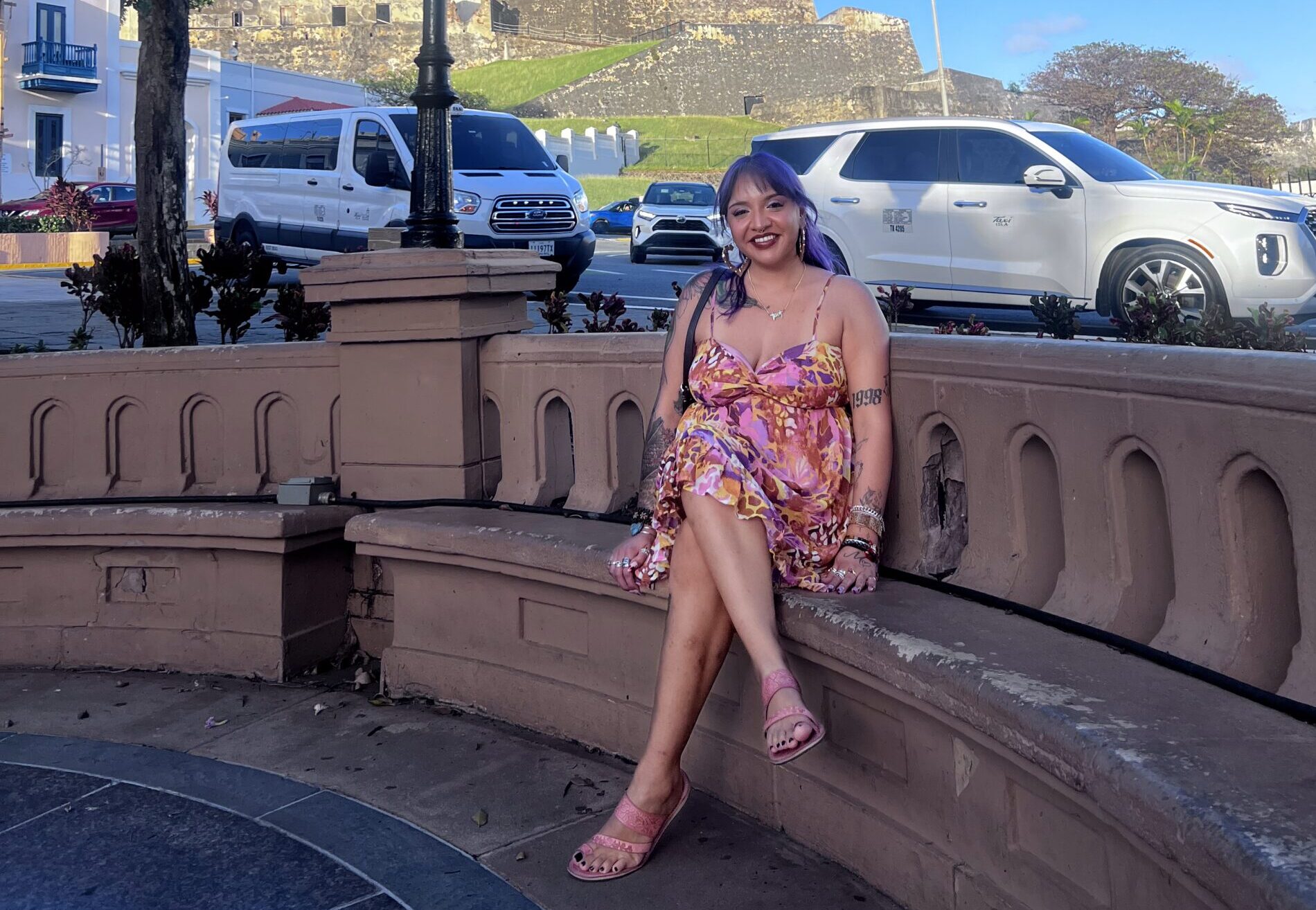
MS is just one part of who I am. I’m also Mexican American, bisexual, and a daughter, sister, partner, and friend. All of my experiences, relationships, and characteristics have shaped who I am today and who I will become in the future.